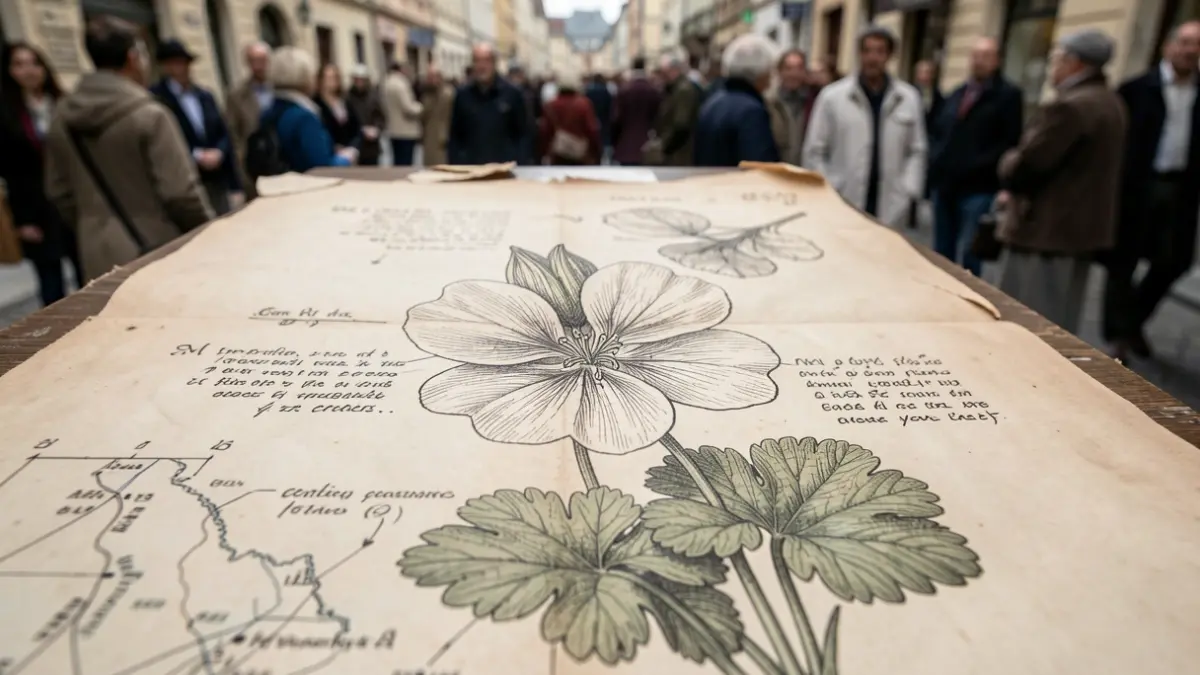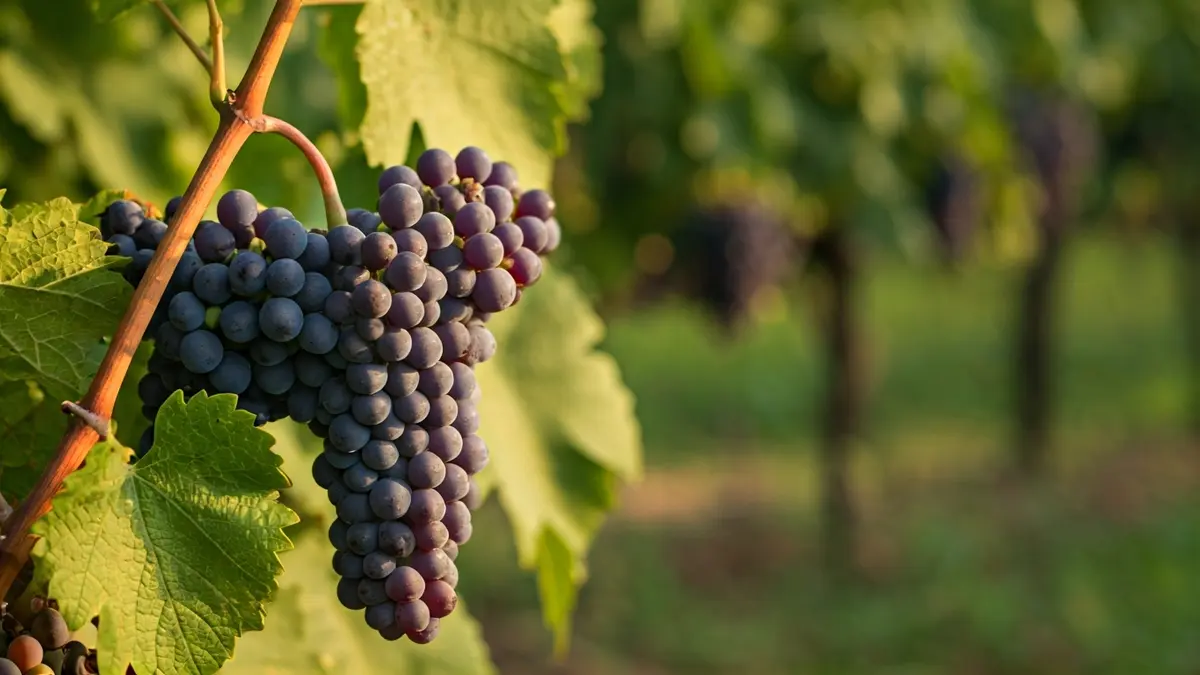
Researchers from the Madrid Institute for Rural, Agrarian and Food Research and Development (IMIDRA) have spent over a decade scouring vineyards and botanical collections across Spain. Their efforts have culminated in the Minorvín project, launched in 2013, which has led to the recovery of 95 centuries-old grape varieties, 22 of which were specifically located in the Community of Madrid.
Among the most surprising discoveries are thirteen grape varieties for which there was no previous record in the region. Names such as Azargón, Brustiano Faux, and Tinto Bastardo, among others, join the nine already known varieties preserved in the Grape Variety Collection at the El Encín experimental farm in Alcalá de Henares.
The ultimate goal of this work is not only to preserve the genetic heritage of the vine, but to give it real utility, studying its productive potential and facilitating its incorporation into agricultural holdings.
One of the recovered varieties, the Hebén grape, has attracted particular attention. After being located in a private orchard, IMIDRA has applied for its inclusion in the National Register of Plant Varieties. If approved, Hebén could be used in the production of wines protected by the Denomination of Origin (D.O.) Vinos de Madrid, which currently covers 5,898 hectares of vineyards and 45 wineries.
Beyond their historical value, these varieties hold significant practical interest. Studies have revealed their remarkable resistance to drought and diseases such as mildew and powdery mildew, crucial factors in the face of climate change. This positions them as a viable alternative for farmers, contributing to the diversification and enrichment of Spanish wine production.
The El Encín farm in Alcalá de Henares plays a fundamental role in this project. It houses the Grape Variety Collection, considered the second most important in Europe, and the Ampelographic Museum. Originating in 1950, this collection now boasts 3,900 cataloged varieties, a number that will continue to grow thanks to initiatives like Minorvín.