In today's fast-paced and fragmented world, initiatives like Fronteras Líricas stand as essential meeting points for verbal expression and cultural exchange. The recent celebration of its 28th edition in the El Chorrillo neighborhood of Alcalá de Henares, once again demonstrated poetry's ability to transcend barriers and connect people, generations, and cultures.
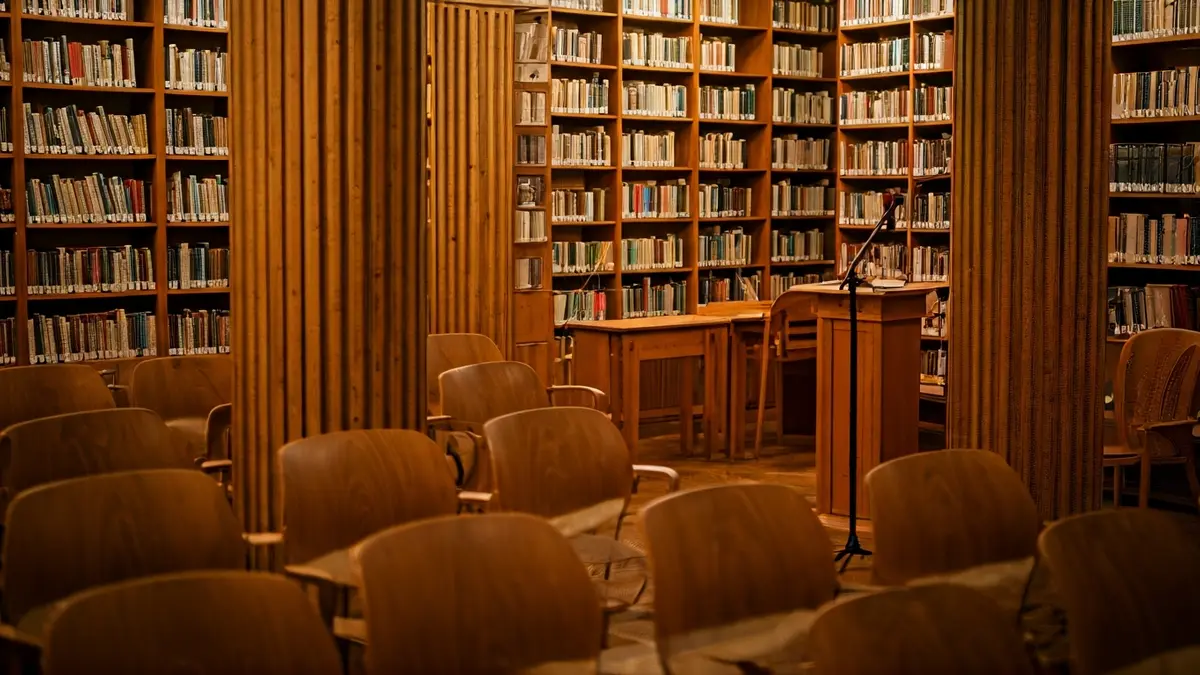
Driven since 2023 by writer, translator, and cultural manager Elisabeta Boțan, and supported by the Department of Culture and the Library Service, this monthly recital has become an unmissable event in Alcalá's cultural calendar. Its format, which merges poetry and music, ensures continuity and a rich diversity of styles and sensibilities.
The April 9 session was a clear example of this plurality. It featured readings by Santiago de Vicente, who explored memory and social issues; Yolanda Jiménez García, who gave voice to an ancestral feminine legacy; and Antonino Nieto Rodríguez, with his characteristic poetic style. The evening was enriched by the music of young pianist and composer Carlos Huțuleac, whose interpretations of Bach and his own compositions created a harmonious dialogue between word and melody.
Beyond a specific event, Fronteras Líricas is a long-term cultural project. It has brought together over 80 poets from various nationalities and languages, including prominent figures from international literature. This cycle stands as a space where diversity is not only accepted but celebrated, reminding us that artistic creation is a fundamental bridge between cultures in a world that often seems to erect barriers.
The success of Fronteras Líricas confirms that poetry is a living tool for thought, emotion, and cultural resistance, far from being an art of the past. Supporting such initiatives is a commitment to a more open, sensitive, and dialogic society, demonstrating that poetry, when shared, knows no limits.