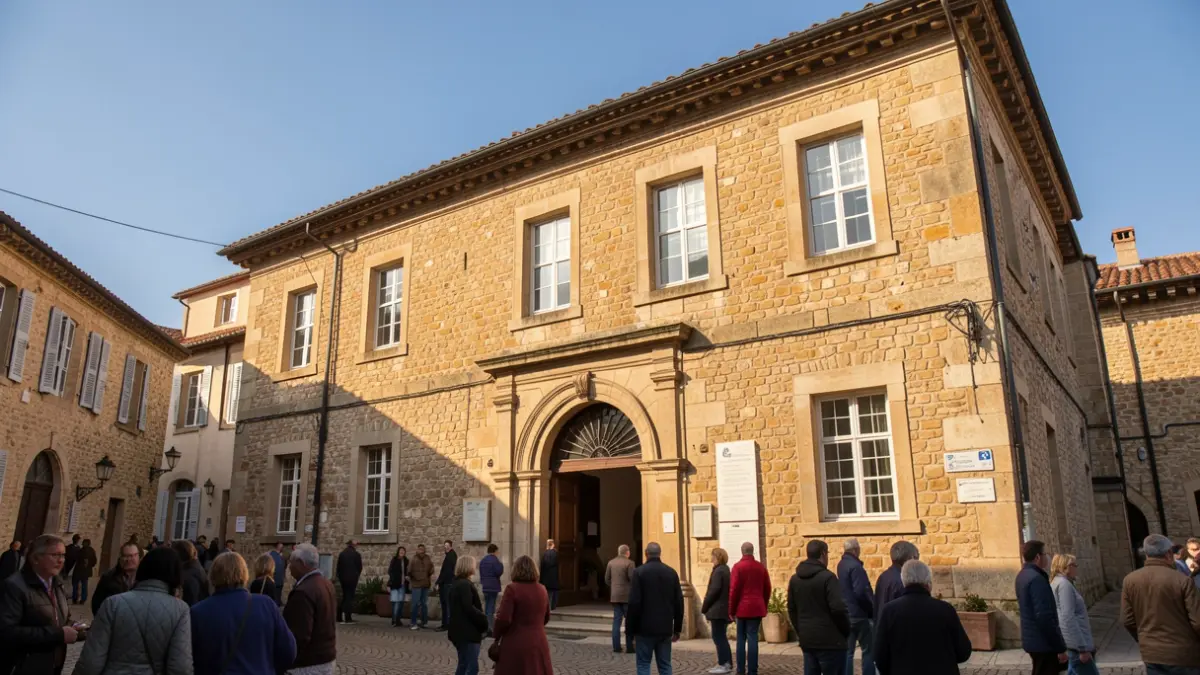
The Huerta del Obispo of the Palacio Arzobispal in Alcalá de Henares has hosted a new edition of the traditional release of white storks recovered by GREFA (Group for the Rehabilitation of Native Fauna and its Habitat) during the current breeding season.
The mayor, Judith Piquet, accompanied by councilors Vicente Pérez, Lola López, and Víctor Cobo, attended the release of 20 stork chicks. Children from the Open Program for Play also participated. 95 schoolchildren from CEIP Cardenal Cisneros attended, learning about wildlife recovery and the biology of this emblematic species.
This season, 88 pairs of white storks occupied nests in the city, successfully raising 104 chicks. Some of these storklings, after falling from nests or experiencing other incidents and being rescued by the Local Police and transferred to GREFA's Wildlife Hospital for recovery, are now returning to their natural environment in Alcalá de Henares. The average productivity was 1.53 storklings per successful breeding pair.
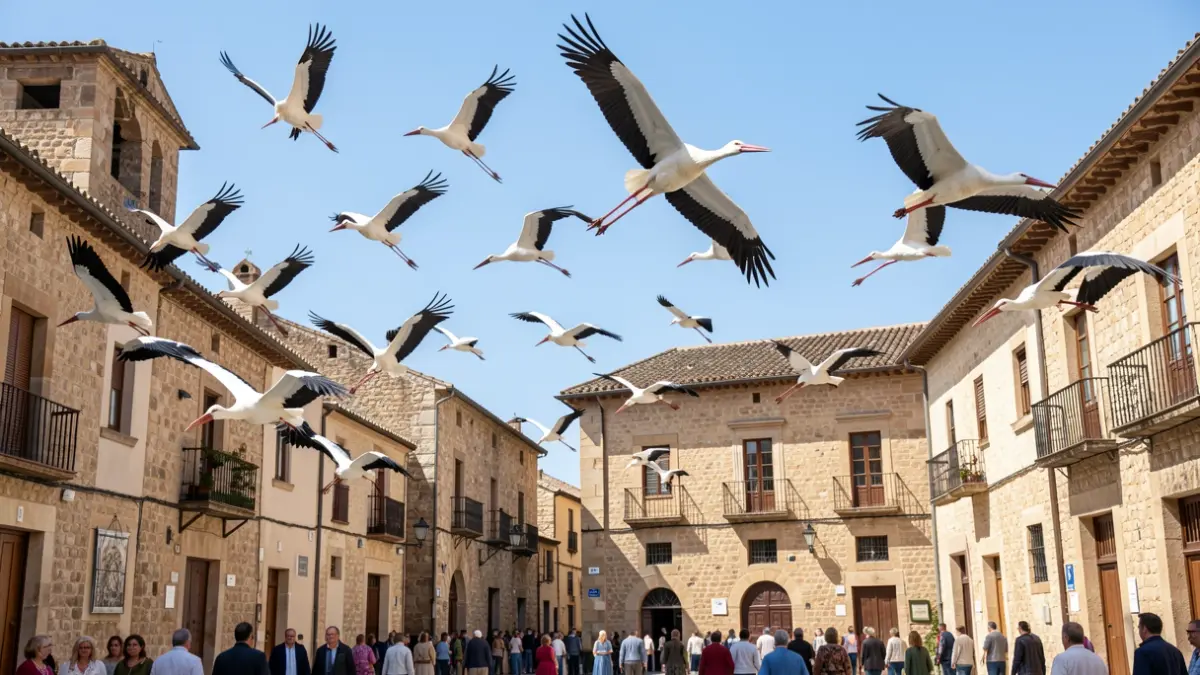
“"The release constitutes one of the most significant environmental education events of the summer and highlights the coexistence between historical heritage and urban biodiversity. Alcalá de Henares is home to an important urban colony of white storks, which use the roofs of churches, convents, monasteries, and other historic buildings in the city for nesting and breeding, making their presence one of the hallmarks of Alcalá's urban landscape."
The mayor emphasized that the presence of the white stork is a hallmark of the urban landscape of Alcalá de Henares, using historic buildings like churches, convents, and monasteries for nesting.