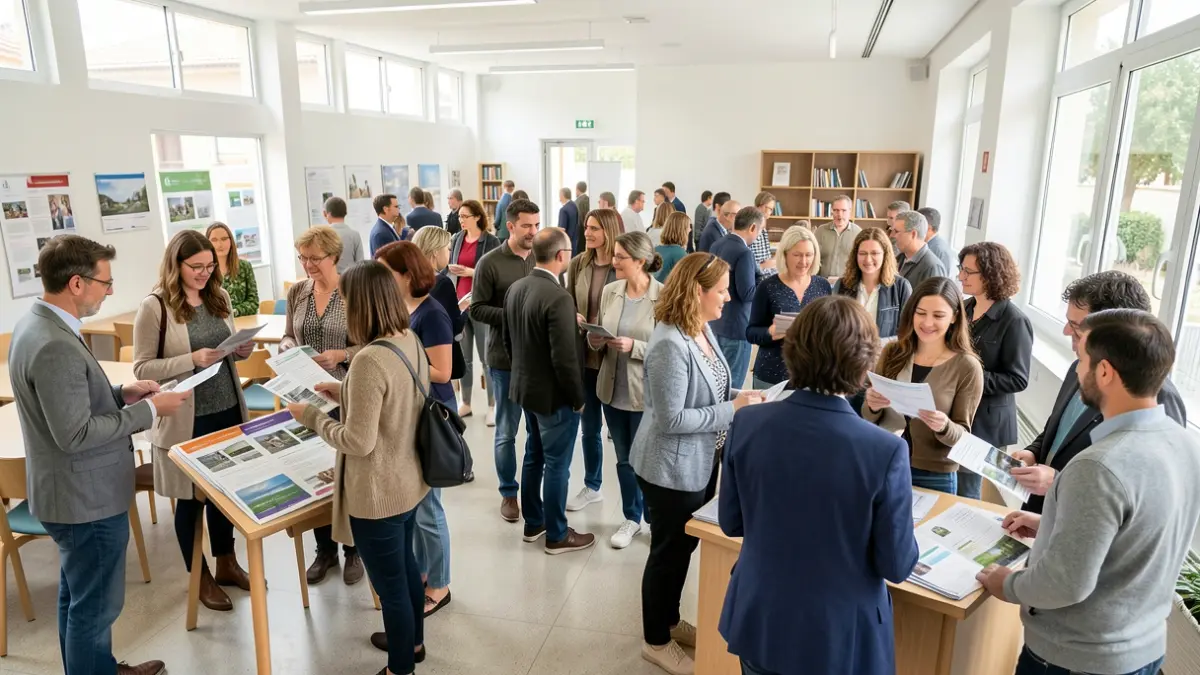
The initiative, which began on February 4th and extended until June 29th, included the installation of a Municipal Legal Orientation Information Point, advisory sessions with the Ecuadorian Consulate, and workshops to obtain vulnerability certificates. The service, located at the corner of Ramón y Cajal and Severo Ochoa streets, provided individualized legal information, explained requirements, offered guidance on documentation, and resolved queries regarding residency, permits, and international protection.
During its operation, 20 open in-person workshops were held. 37% of the consultations received were related to international protection and asylum. Users expressed expectations of family reunification (90%), feeling undervalued in their jobs (60%), and sharing housing due to economic limitations (60%). Seven out of ten applicants were women, many of them heads of households with children under five years old.
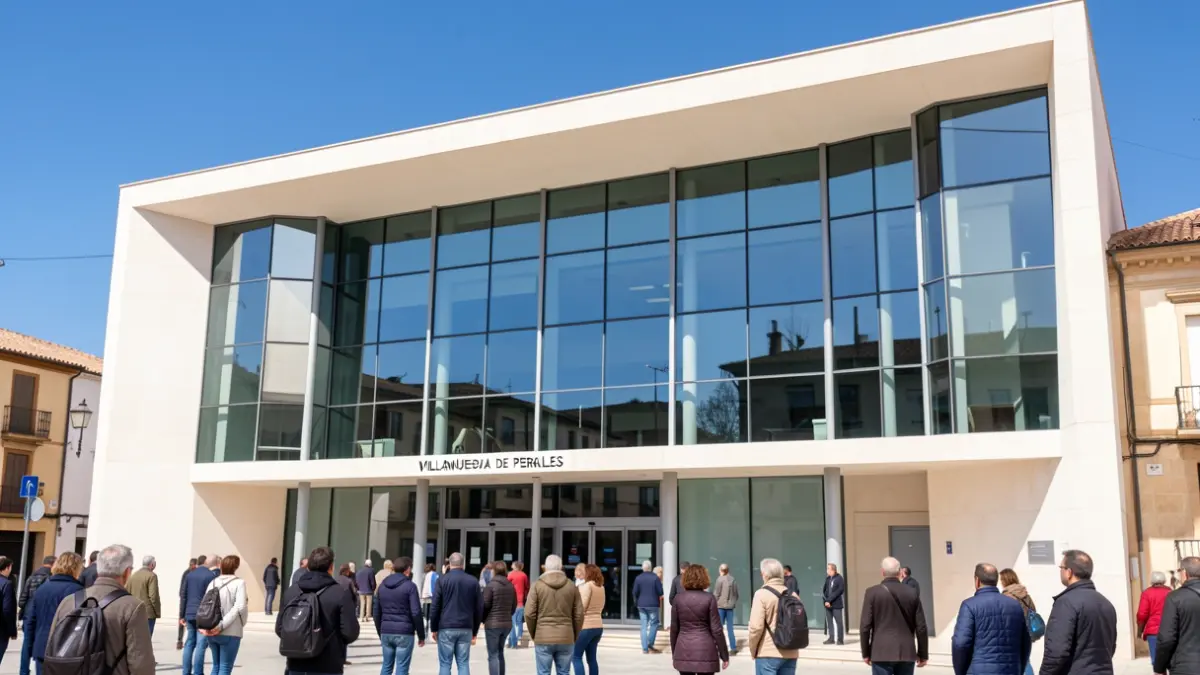
The majority nationality attending the program was Venezuelan (40%), followed by Peruvian (30%) and Moroccan (20%). The process began on February 10th with an informative talk at the Casa de la Cultura and included the presence of the Minister of Inclusion, Social Security, and Migrations, Elma Saiz Delgado, Mayor Ramón Jurado Rodríguez, and the Councilor for Coexistence and Migration, Javier González Serrano, at an event held on February 19th at the Centro Cultural Almudena Grandes.
Parla City Council, home to residents of 122 nationalities with approximately 23% of its residents being foreign-born, continues to work on offering support to migrants who have regularized their status and need to complete additional procedures.