The Petipa program, premiering this Thursday, celebrates the figure of Marius Petipa (1818-1910), widely regarded as the father of classical ballet. This event not only inaugurates the festival but also signifies the company's integration into the 'El Bosque de las Artes' initiative at the Teatro del Bosque in Móstoles.
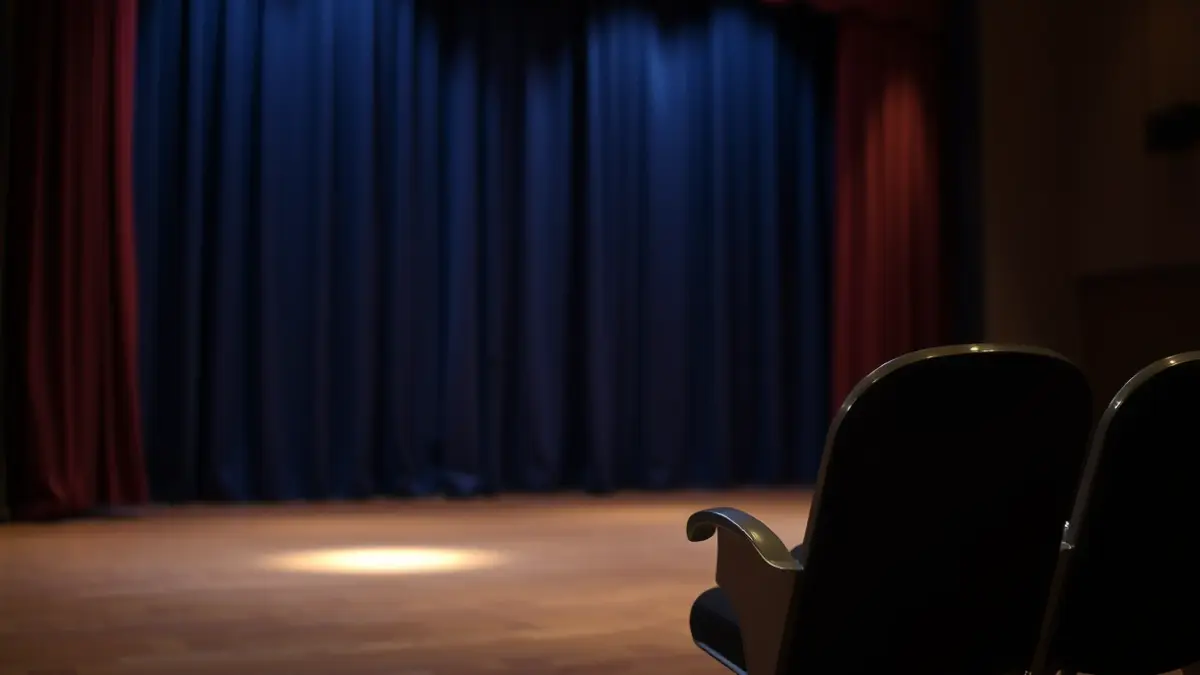
As part of this inclusion, the National Dance Company will have a seat named after it, f11, seat 7, at the Teatro del Bosque. This action aims to acknowledge the careers of artists and groups performing on the Móstoles stage, while also highlighting the city's cultural offerings.
Marius Petipa, born in Marseille in 1818, is considered the most significant choreographer in dance history. This French dancer, who settled in imperial Russia, created foundational works such as Swan Lake, The Sleeping Beauty, The Nutcracker, Don Quixote, Paquita, Raymonda, and La Bayadère.
His choreographies shaped the canon of Russian ballet during the 19th century, establishing Petipa as an undisputed authority in this art form. His legacy is the central theme of a program through which the National Dance Company revives pieces linked to its historical repertoire.
For this occasion, the National Dance Company has chosen two titles: Paquita Grand pas Classique and Raymonda Divertimento. This selection focuses on two works closely associated with Petipa's name, within a program conceived as a tribute to his figure and his impact on dance.