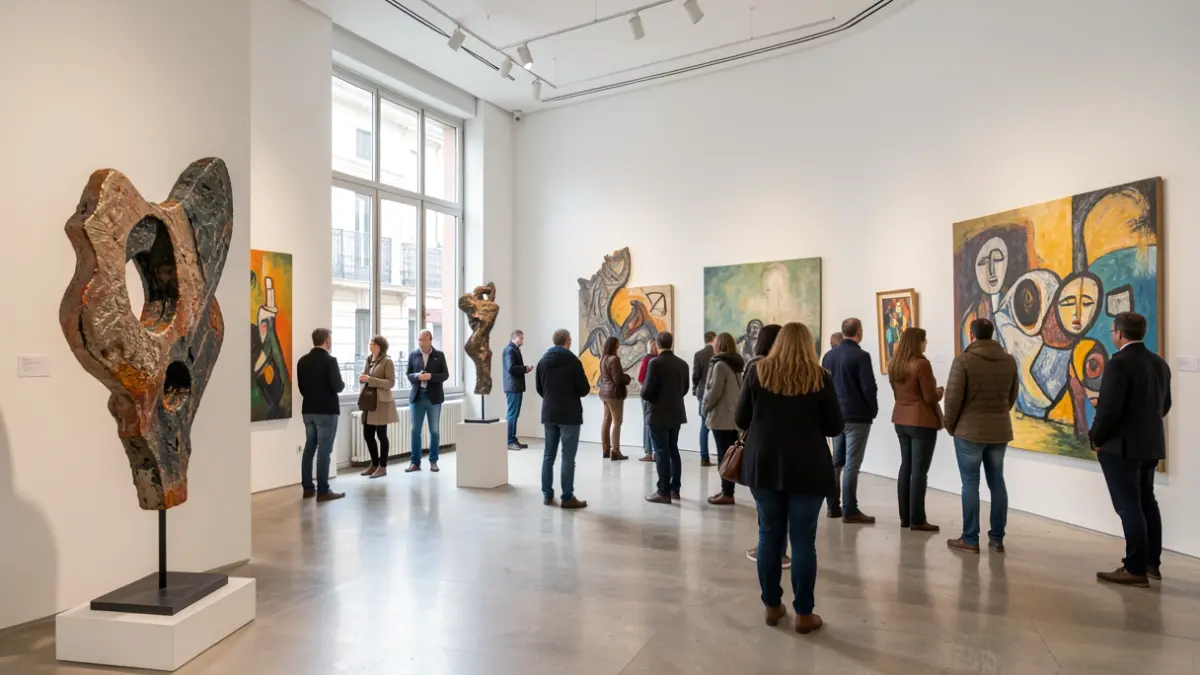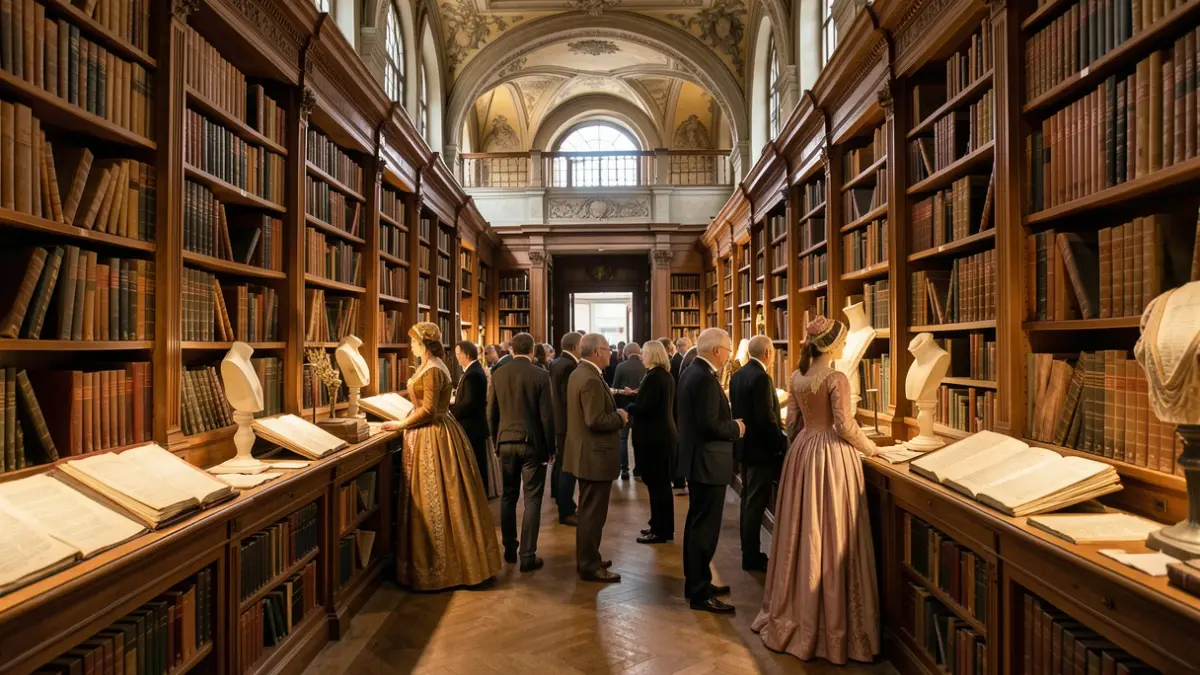
The exhibition, titled 'Madrid in the Spanish Golden Age Theater', curated by Germán Vega García-Luengos and Javier J. González Martínez, will be open until January 10, 2027. It aims to highlight this chapter of Spanish cultural heritage, declared an Asset of Cultural Interest (BIC) as Intangible Heritage.
Through oil paintings, manuscripts, costumes, and models, the exhibition details the consolidation of the Comedia Nueva, promoted by Lope de Vega, and the intense scenic, editorial, and courtly activity that characterized Madrid. The capital was the birthplace of key authors such as Lope de Vega, Tirso de Molina, and Calderón de la Barca.
The exhibition brings together pieces from the Regional Library, the National Library of Spain, the Archivo de Villa de Madrid, the Histórico de Protocolos, and the Compañía Nacional de Teatro Clásico. It also analyzes the role of books in the dissemination of Golden Age creation and commemorates the fourth centenary of the death of Andrés de Claramonte.
In conjunction with the exhibition, educational, training, and scenic activities have been programmed. These include a series of conferences featuring specialists such as Germán Vega García-Luengos, Felipe B. Pedraza Jiménez, Esther Borrego, and Julio Vélez Sainz.
A workshop titled 'Spectators of the Golden Age', led by Karmele Aramburu, focuses on the metrics and expressive resources of classical theater, alongside guided tours. The performance 'Ilustre bululú de don Cleofás de Avellaneda y su perro Garnacha', written by Josete Corral and directed by Gonzala Martín Scherman, recounts the adventures of a traveling comedian and his dog in the Madrid of Philip IV.
Finally, the exhibition will host the International Congress Madrid in the Golden Age Theater, from October 13 to 16, bringing together specialists to analyze the capital's presence in the drama of the era.