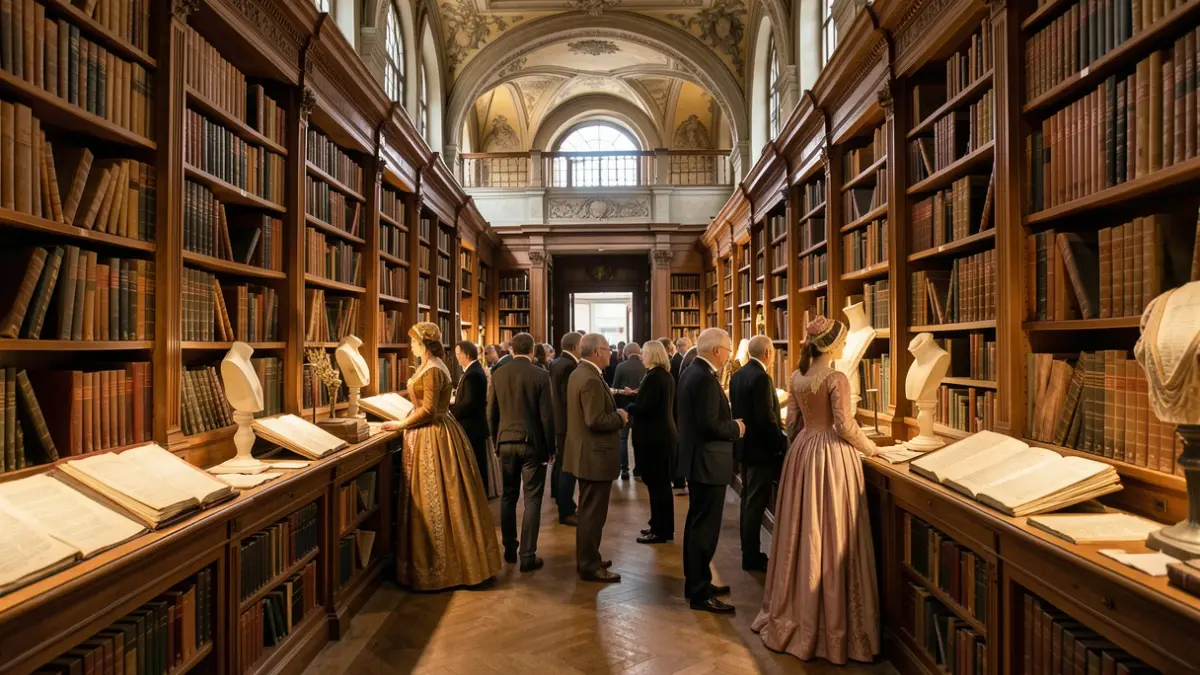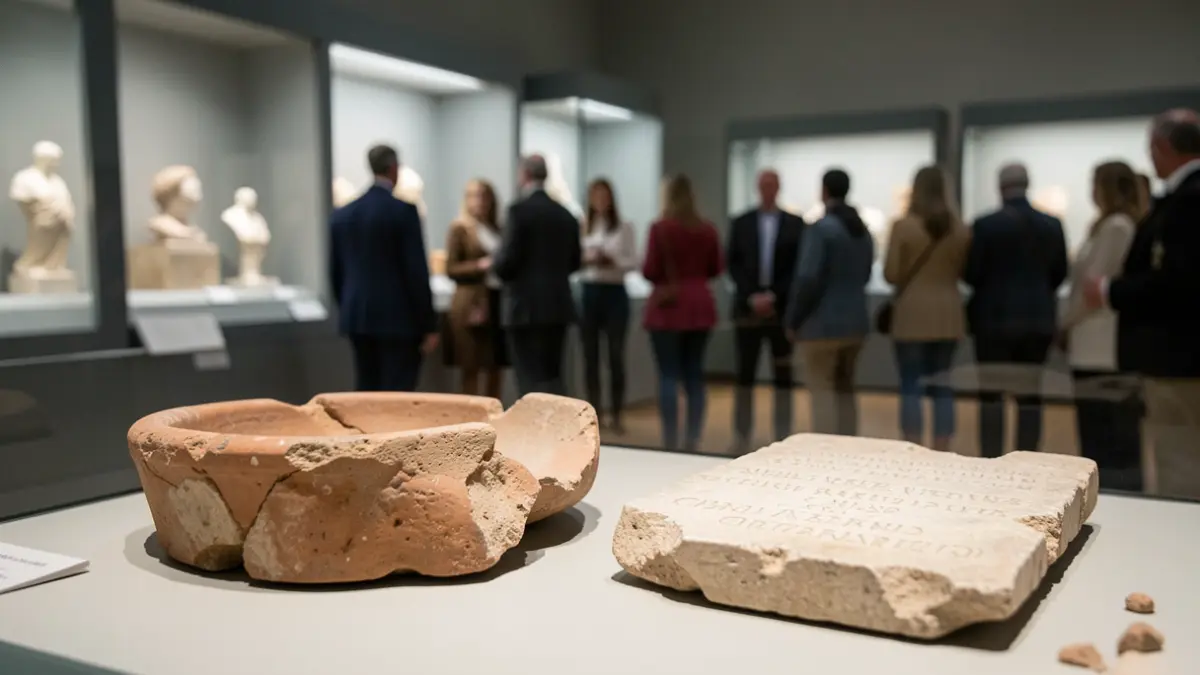
The exhibition, which gathers pieces from the collection of the regional Archaeological and Paleontological Museum (MARPA), focuses on the influence of Roman culture in Carpetania, covering aspects such as trade, religious practices, architecture, and domestic life of the era.
The choice of Zaragoza as the venue is significant, as it was the capital of Conventus Caesaraugustanus, the administrative district to which a large part of present-day Community of Madrid belonged during the Roman period. This presentation allows for the contextualization of historical ties between both regions over two millennia ago through archaeology.
The exhibition offers a renewed perspective on the Romanization of the region, an area that even before Rome's expansion was a strategic enclave between Celtiberia and the Tagus valley, playing a fundamental role in Hispania's communication network from the 2nd century BC onwards.
'Roman Carpetania' is part of MARPA's traveling exhibition program, aimed at disseminating archaeological and paleontological heritage beyond its headquarters in Alcalá de Henares.
Another traveling exhibition from MARPA, 'Mauricio Antón: Art and Paleontology', will be on display from October 24 to February 27, 2027, at the San Telmo Museum in San Sebastián. This exhibition traces the artistic and scientific career of illustrator Mauricio Antón, specializing in the reconstruction of past fauna and human evolution, and features over eighty original pieces, digital reproductions, sculptural models, and publications.