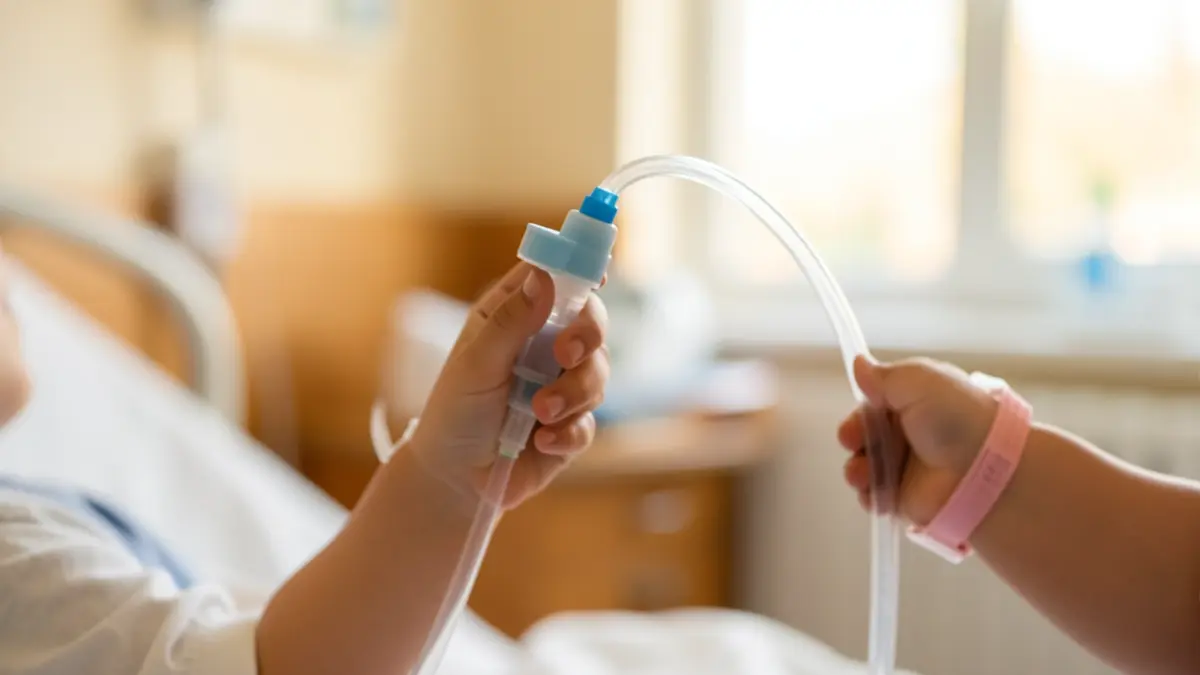
This multidisciplinary project addresses the vulnerability of children with complex chronic conditions and technological dependence during their transition from hospital to home. Many of these patients require essential medical devices and technologies for survival or treatment, such as mechanical ventilation, tracheostomy, or enteral nutrition. This group includes patients with neuromuscular diseases, severe neurological conditions, heart conditions, chronic respiratory pathologies, rare diseases, and complex metabolic or genetic disorders.
The comprehensive care continuity model focuses on the patient and their family, aiming to ensure safe, coordinated, and needs-adapted care. It is based on pillars such as caregiver training, clinical simulation in the home environment, multidisciplinary discharge coordination, early home support, and longitudinal follow-up after returning home.
Key benefits of the project include enhanced safety during the hospital-to-home transition, reduction of preventable adverse events, increased autonomy and family confidence, and improved coordination among the various involved healthcare levels.
The model developed by Gregorio Marañón is replicable in other healthcare centers and transforms the traditional hospital discharge process into an accompanied, safe, and structured transition for patients with high clinical complexity. This project was awarded at the Innovation Day 2026 for its commitment to innovation in care continuity.
Professionals from various hospital areas have collaborated in its development, including the Pediatric Home Mechanical Ventilation Support Functional Unit, the Pediatric Intensive Care Unit (PICU), the Complex Chronic Pathology Unit for Children, the Pediatric Home Hospitalization Unit, and the care continuity nurse, ensuring coordinated care beyond the hospital setting.