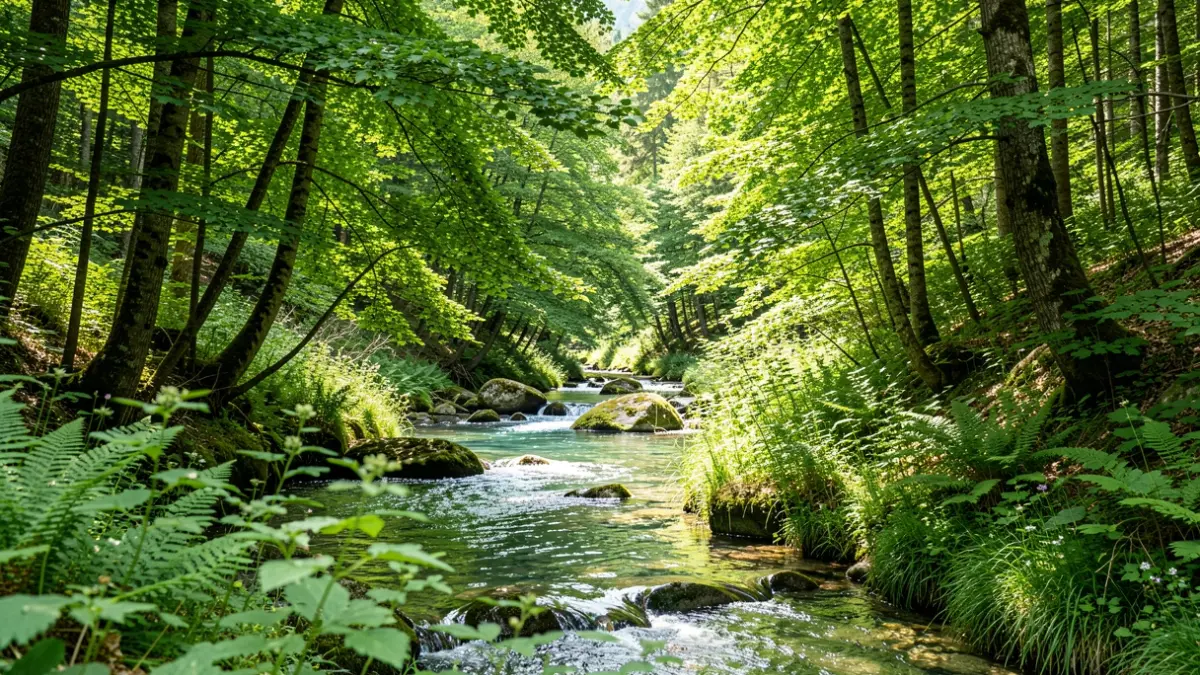
The Sierra de Guadarrama National Park, located in the Community of Madrid, is facing a severe environmental crisis. Park managers have issued an emergency alert due to a significant ecosystem decline, characterized by anomalous mortality of oaks and pines, a drastic loss of quality in the water of high-mountain streams, and a mysterious halt in the regeneration of native flora.
Unable to determine the exact causes of this situation, the National Park authorities have sent samples of water, roots, wood, soil, and DNA to the Royal Botanical Garden (RJB-CSIC). The scientific community at this institution will collaborate in finding solutions to reverse the damage.
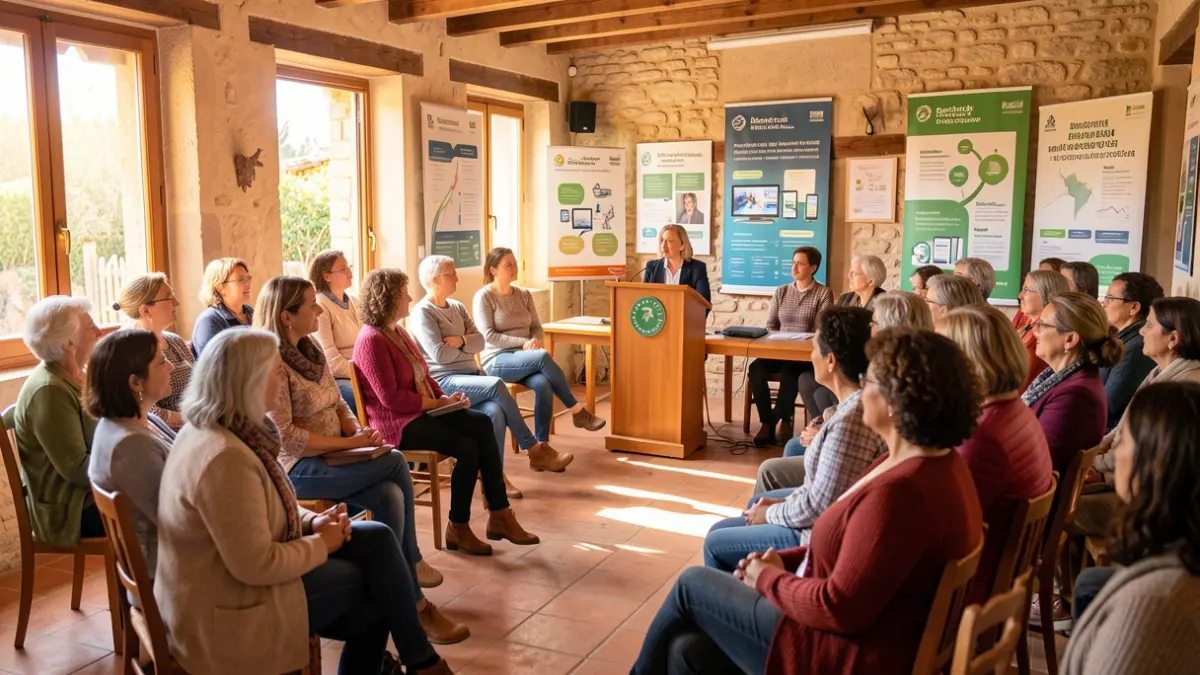
As part of this initiative, approximately 250 students from eleven educational centers in the Community of Madrid have actively participated. Transformed into forensic ecology teams, they have diagnosed 12 potential threats affecting the park and applied corrective measures. This activity is part of the seventeenth edition of The European Researchers' Night in Madrid, held at the Royal Botanical Garden-CSIC.
With the support of researchers from the RJB, the young participants have worked in teams to discover hidden taxa, learn about shelled amoebas, observe soil microorganisms, acquire knowledge for biodiversity conservation, understand the role of pollinators, and train in the basics of genetics. These challenges are part of the activity called ‘Scientific Challenges: Doing Science at the Botanical Garden’, organized by the Scientific Culture Unit of the RJB-CSIC.
The scientific outreach event has pursued four main objectives: to raise awareness of the work carried out by the RJB-CSIC scientific community, to highlight the importance of botanical knowledge for human well-being, to foster scientific vocations through experimentation with real research work, and to raise awareness about ecosystem threats by understanding their ecology and functioning, aiming to develop critical thinking in students for problem-solving.
A score of scientists from the RJB-CSIC, including Inés Álvarez Fernández, Aida Díaz Mansilla, Lisa Pokorny Montero, and Paloma Ruiz de Diego, among others, have participated in this edition of The European Researchers' Night in Madrid.
The participating educational centers include: IES Miguel Delibes, IES Santamarca, Colegio Italiano, Colegio Decroly, Salesianos Ciudad de los Muchachos, IES Ana María Matute (Velilla de San Antonio), Mirasur School (Pinto), IES Gerardo Diego, colegio Virgen del Remedio (Alcorcón), IES Ítaca (Alcorcón), and centro González Cañadas.
The European Researchers' Night in Madrid is a scientific outreach project promoted by the Consejería de Educación, Ciencia y Universidades (Ministry of Education, Science, and Universities) and coordinated by the Fundación madri+d.