The arrival of Bad Bunny's tour in Madrid has caused apprehension among residents living near the Riyadh Air Metropolitano. The ten concerts planned between May 30 and June 15 are expected to bring further days of traffic disruptions, parking difficulties, noise pollution, and accumulated waste, a recurring situation with the large sports and music events hosted at the stadium.
In response to this situation, the Las Musas-Las Rosas Neighborhood Association submitted a letter to the Ombudsman in late October, requesting a meeting and the institution's intervention to prompt administrations to find effective solutions. On March 19, Ángel Gabilondo, the Ombudsman, announced that the request had been accepted for processing and requested documentation from the Madrid City Council on the matter.
Residents have told us that they feel absolutely helpless by public administrations, where sports and financial interests, of large corporations and multinationals, and in this case absolutely private, clearly prevail, without a real attempt to prioritize the well-being of all of us who live in the area. Our lives have been totally conditioned by the club's activities in connivance with the Madrid City Council.
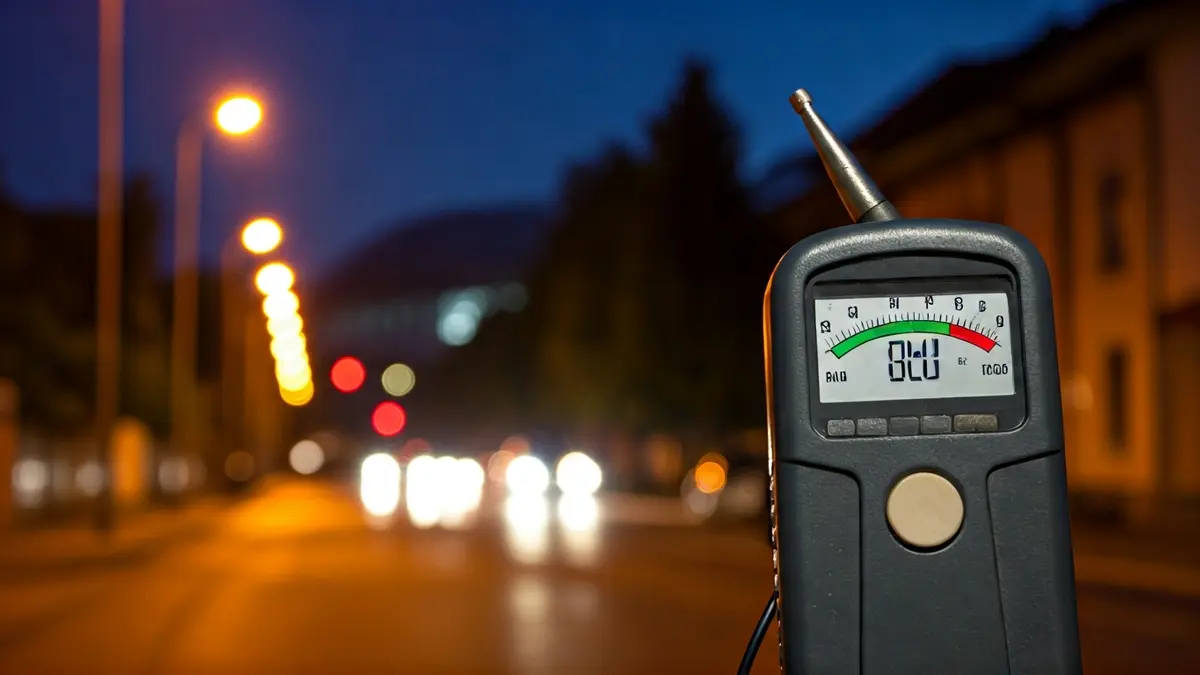
The neighborhood group highlighted numerous previous complaints and reports, as well as requests for intervention from the Municipal Police regarding excessive stadium noise, which have so far gone unaddressed. Faced with this inaction, the association commissioned a technical study that confirmed noise levels exceeding authorized limits.
The association points out that Atlético de Madrid built its stadium on the old structure of La Peineta, retaining large side openings that significantly contribute to noise propagation. Furthermore, the Metropolitano lacks a permanent license for non-sporting events, requiring the club to apply for special permits for each extraordinary event. These permits are granted under the argument of “general and cultural interest,” allowing ordinary noise limits to be exceeded.
The City Council justifies this “general interest” by citing the economic impact on sectors such as tourism, hospitality, and transport, which allows maximum decibel levels to be surpassed. The association criticizes that, in this justification, “citizens are not part of that Administration's general interest.”
Beyond the noise, the influx of 67,000 spectators on event days disrupts life in Las Rosas, leading to restricted access to homes, traffic jams, parking difficulties (the neighborhood lacks SER), insecurity, and litter. Added to this is the encroachment of restaurant terraces onto sidewalks.
In its letter, the association requests Ángel Gabilondo's intervention, invoking articles 43 and 45 of the Spanish Constitution, to ensure that administrations comply with regulations and offer solutions. They propose measures such as the precautionary closure of the stadium or a reduction in capacity until acoustic, mobility, and security issues are resolved.
Among the constructive proposals from the neighborhood entity are the implementation of a system similar to Madrid Central for event days, prioritizing parking for residents, the execution of promised improvements to neighborhood access to the M40, and the opening of the original section of the R3. They also suggest expanding public transport, installing fixed noise and pollution monitoring stations, and sanctioning establishments that exceed permitted public space with their terraces.