The Community of Madrid is preparing to amend its Urban Tree Law, as part of the upcoming Forest Law currently under consideration. The primary goal is to make it easier to replace thuja hedges, known for their high flammability, with less combustible plant species. Until the legislative reform is effective, the Ministry of Environment, Agriculture, and Interior, through the General Directorate of Biodiversity and Forest Management, will issue guidelines to municipalities. These instructions will inform them about the hazard assessments posed by these hedges, to be considered in pruning permits requested by residents.
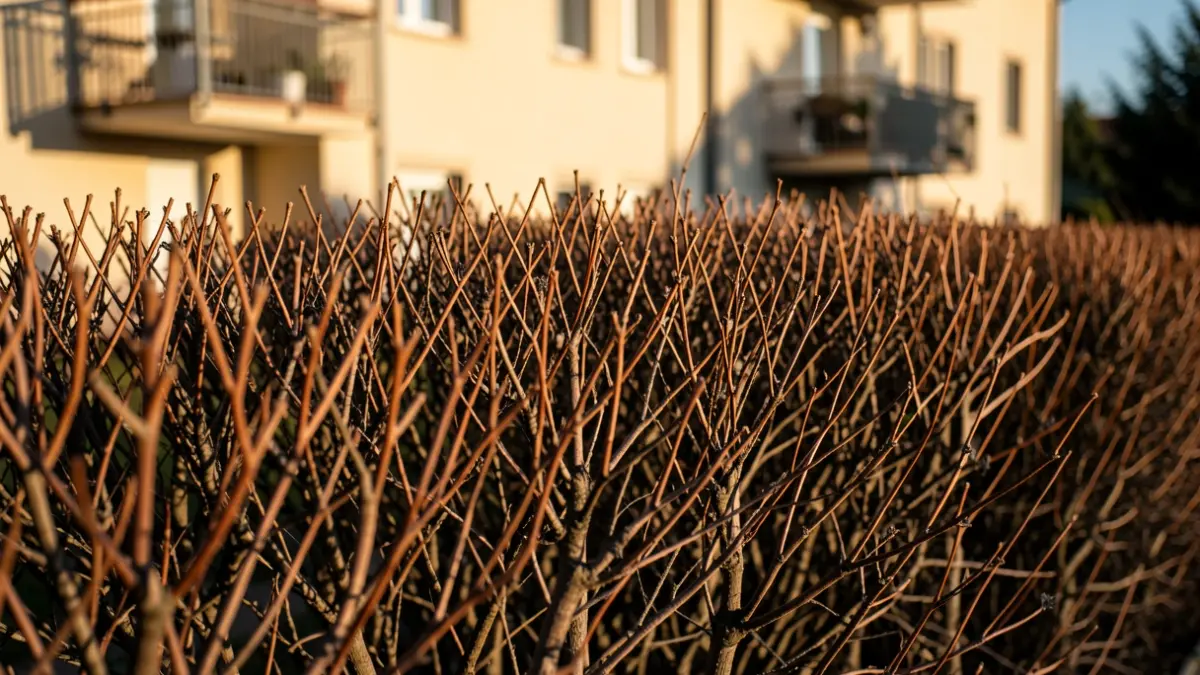
Thuja hedges are popular in gardening due to their rapid growth and ornamental value. However, their resin content and accumulation of dry branches make them ideal fuel for fast and intense fires, posing a significant risk to nearby homes.
In response, the Madrid 112 Security and Emergency Agency (ASEM112) will launch an informational campaign on its institutional social media channels. The initiative aims to raise public awareness about the dangers associated with this type of vegetation and promote preventive measures.
The director of ASEM112, Pedro Antonio Ruiz, presented this communication effort at the Majalacabra Park in Las Rozas de Madrid. During the event, members of the regional Fire Brigade conducted a practical demonstration of how these plants behave in a fire. Firefighters advise maintaining hedges at a minimum distance of five meters from buildings and avoiding proximity to combustible materials such as awnings, outdoor furniture, or vehicles.
Furthermore, the use of fencing made from plastic materials or heather is discouraged due to its high flammability. The Forest Agent Corps, also participating in the campaign, suggests installing fire-resistant fencing or planting species more resistant to fire, such as ivy, honeysuckle, star jasmine, boxwood, firethorn, or privet.
In the event of a forest fire, embers and burning debris can easily ignite hedges, leading to rapid flame propagation. This complicates both resident evacuation and firefighting efforts, and the fire can spread into homes or adjacent structures.
As an additional protective measure, it is recommended that exterior fences have a brick or masonry base of at least one meter in height to act as a barrier against surface fires. The importance of not having barbecues or lighting fires near these hedges, especially on windy days, is also reiterated to prevent sparks from rapidly spreading fire both onto the property and into the nearby forest environment.
The Special Civil Protection Plan for Forest Fire Emergencies of the Community of Madrid (INFOMA) mandates maintaining a 30-meter perimeter strip between homes and forest land, free of dry vegetation and with thinned trees. Undeveloped plots must also be kept clear of dry grass and plant debris.