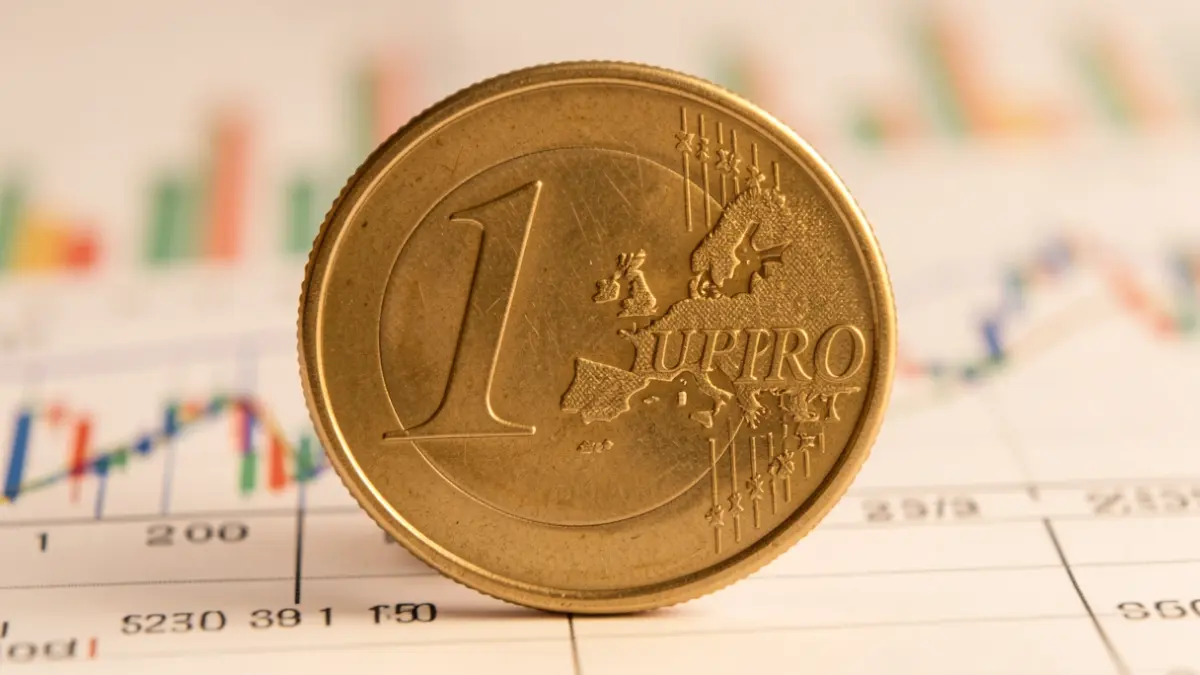
The persistence of inflation in the Eurozone has led the European Central Bank (ECB) to raise interest rates by 25 basis points, the first increase in three years, which may not be the last if prices continue to show an upward trend. The decision comes after inflation in the Eurozone once again surpassed the 3% threshold, a level that has set off all alarms.
The ECB's primary mandate is to maintain price stability and keep inflation below 2%. Therefore, the measure has a clear justification: to reduce consumption. However, as with all economic decisions, the move also has negative consequences. The interest rate hike makes credit access more expensive for families and businesses, variable-rate mortgages will see their installments increase, loans will become costlier, and financing conditions will tighten.
In Spain, the situation is of particular concern. Prices rose again in May, marking five consecutive months above 3%. The moderation in energy costs and food prices has been offset by the rising cost of services, which continues to exert strong pressure on the CPI, and the outlook for the coming months is not particularly optimistic.
Since June 1st, the Government eliminated several fiscal measures that had helped contain energy costs, such as the reduction of VAT on electricity and gas and the Electricity Generation Tax, the effects of which will be seen in household and business bills in the coming months.
In this context, it remains to be seen if the stability of oil traffic through the Strait of Hormuz, observed in recent hours, will consolidate, although inflation will continue to be one of the main economic challenges in the coming months. Its impact on families' purchasing power, savings capacity, and financing costs will continue to influence decisions by both households and businesses, while the ECB keeps the door open to further rate hikes if prices do not show a clear and sustained slowdown.