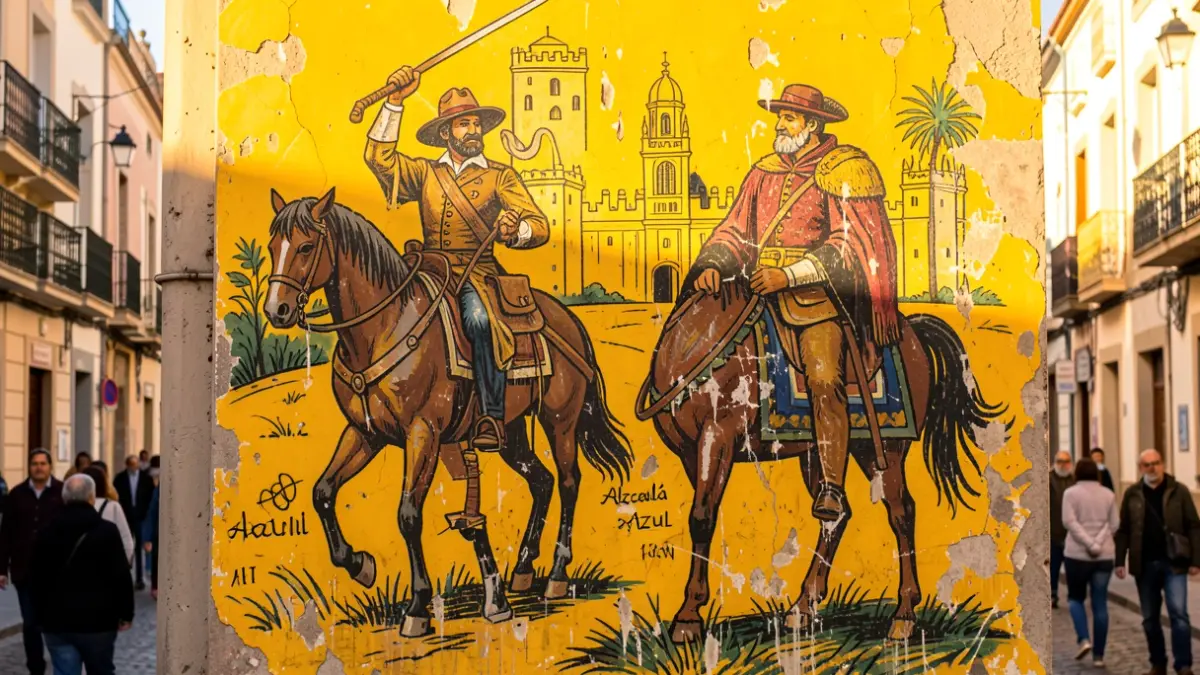
The 'Hermanamiento' mural, created by the renowned Argentine artist Miguel Rep in Alcalá de Henares in 2011, has recently been destroyed, causing outrage among experts and citizens. José Manuel Lucía Megías, the initial promoter of the work, has spoken out to question the legality of this action and call for a public debate on the protection of cultural heritage and intellectual property rights.
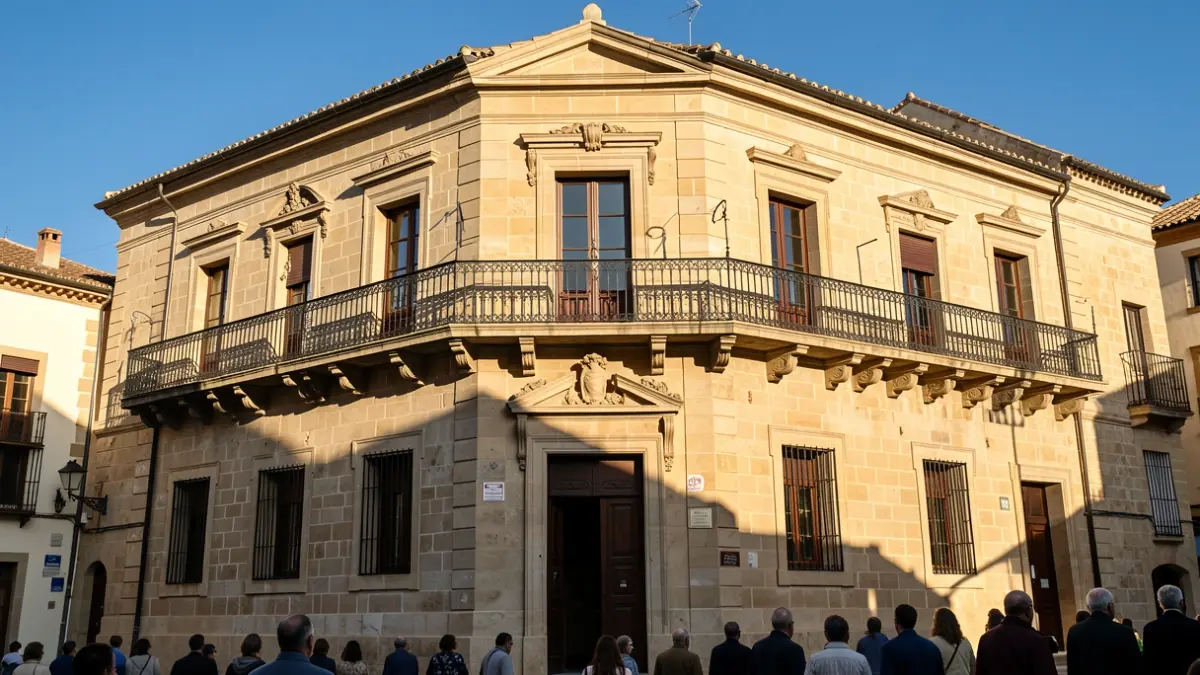
The artwork, funded by public money from the city councils of Alcalá de Henares and Azul (Argentina), commemorated the twinning between these two Cervantean cities. The mural, located at the Casa Tapón in the Plaza de los Santos Niños, featured a vibrant scene of Don Quixote and Sancho Panza, with the characteristic yellow color used by Rep to symbolize the union between the two cities.
Despite Lucía Megías's efforts to promote its restoration over the years, the mural suffered significant deterioration. However, its destruction occurred without formal communication to the artist, Miguel Rep, who was recently in Spain. This lack of notification and consultation raises serious doubts about compliance with Spanish Intellectual Property Law, which protects artists' rights over works created for public administrations.
Lucía Megías emphasizes that the demolition of a public and artistic asset, without clear technical reports or proper communication to the creator, could constitute a criminal offense and an attack on freedom of expression. He questions whether restoration alternatives, as required by legislation, were considered, and if the pertinent permit from the Heritage Commission of the Community of Madrid was obtained.
The case has reignited the debate on the arbitrariness of certain municipal decisions and the need to preserve the historical and artistic memory of cities. The mural's destruction is seen by many as a symptom of cultural disregard and a missed opportunity to strengthen the Cervantean character of Alcalá de Henares.